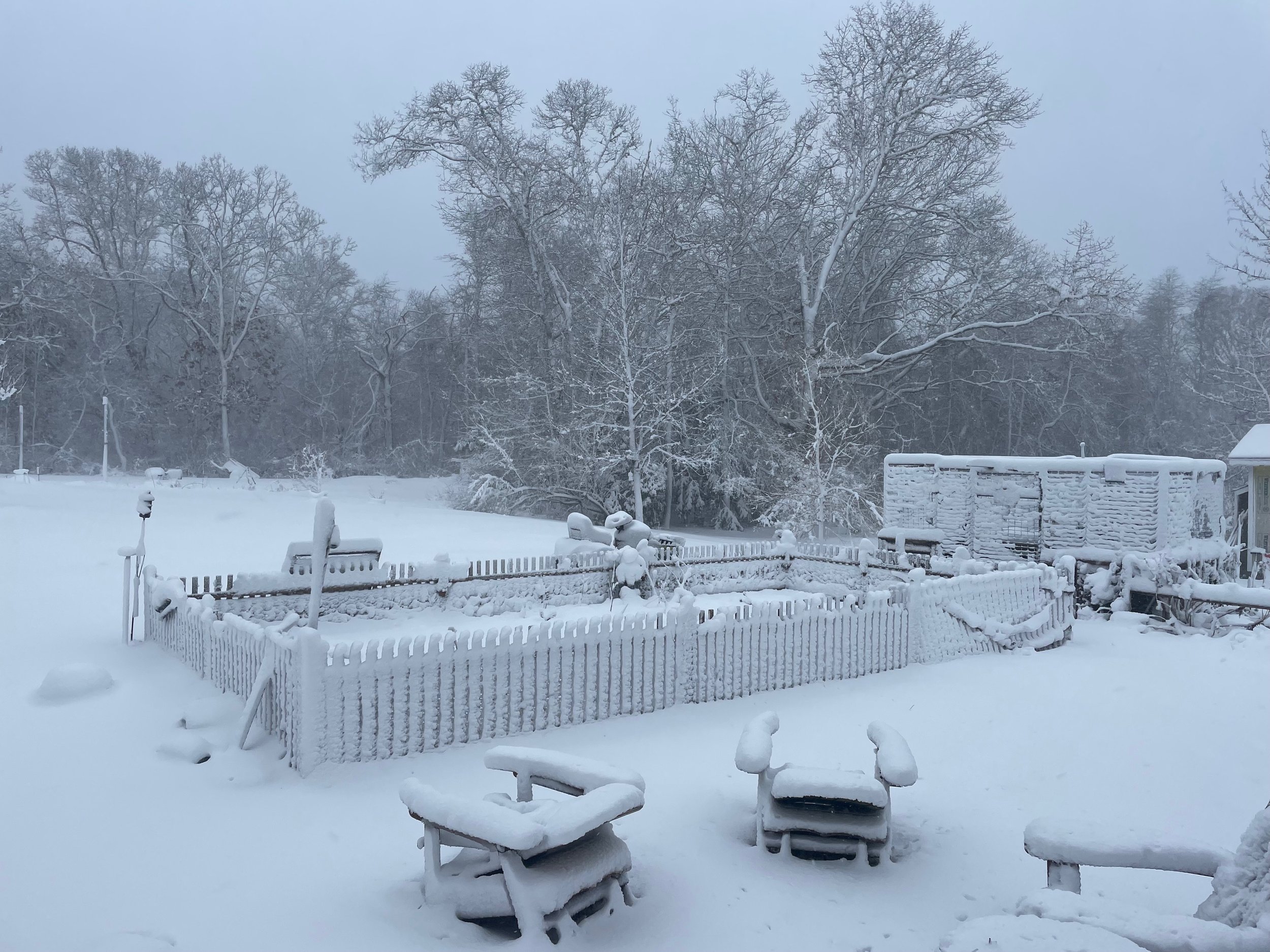
Beyond Fresh Air: Recess As Nervous System Reset

When people talk about kids having “less time outside,” it often gets framed as a simple lifestyle issue—children just need more fresh air. But from an ecopsychology perspective, the concern runs deeper. It’s not only about time outdoors; it’s about what happens when the structure of a child’s day removes regular contact with the natural world—and the psychological regulation that contact supports.

Modern elementary schedules are increasingly dominated by long stretches of seated, cognitively demanding work, with limited breaks in between. When recess is shortened or treated as optional, those demands stack up. What’s missing isn’t just a break—it’s a shift in environment. Ecopsychology suggests that natural settings play a unique role in restoring attention, reducing stress, and supporting emotional balance in ways built environments often do not.

Outdoor free play has historically functioned as a kind of regulatory reset. It offers sensory variation, open-ended movement, and unstructured social interaction. Children can make decisions without constant adult oversight, engage their bodies fully, and experience a different pace. These moments help recalibrate the nervous system. Without them, the school day becomes a continuous loop of focus, compliance, and performance.

Research in both education and environmental psychology points to the same conclusion: unstructured outdoor time supports the development of resilience and self-regulation. Children aren’t just releasing energy—they’re learning how to manage stress, recover from frustration, and return to tasks with renewed capacity. Natural environments, in particular, seem to amplify these effects by lowering cognitive fatigue and promoting a sense of calm.

When that buffer is reduced, the strain doesn’t disappear—it follows children back into the classroom. It can surface as irritability, difficulty concentrating, or increased anxiety.

Today, many U.S. elementary schools provide about 15–30 minutes of recess per day, often in a single block. Decades ago, children typically experienced more frequent outdoor breaks, even within shorter school days.

From an ecopsychological lens, this shift matters. It’s not just less time outside—it’s fewer opportunities for the mind and body to reset through contact with nature. Over time, that absence may contribute to a quiet buildup of emotional overload within the structure of the school day itself.
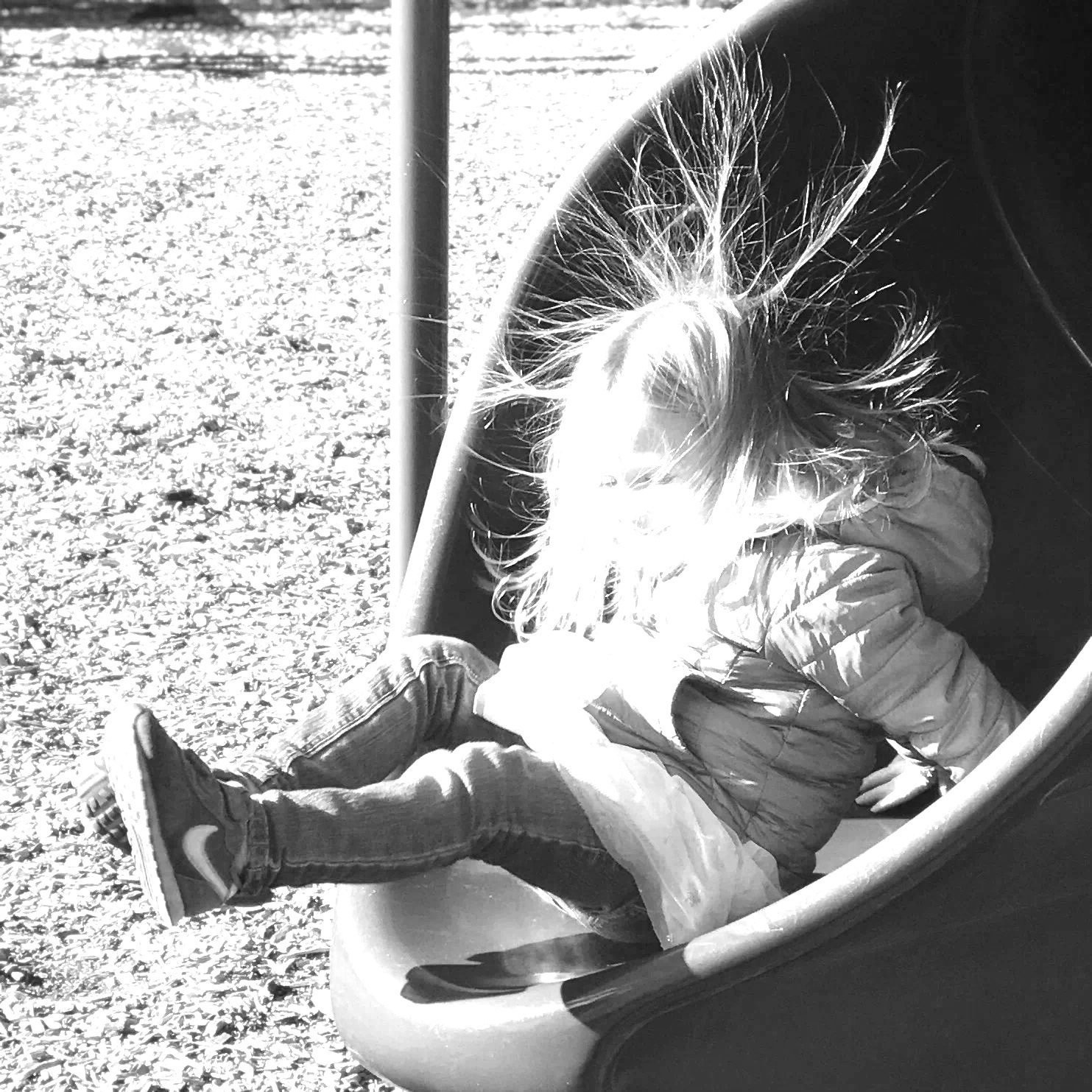

When the Desert Burns Early: Spring Solstice Heatwave

In March 2026, Arizona feels more like June. Triple-digit temperatures arrived weeks ahead of schedule, compressing spring into a brief suggestion rather than a lived season. While meteorologists track the data, another question lingers beneath the surface: what does an early heatwave do to the human psyche—especially in a place already defined by extremes?

Ecopsychology invites us to consider the relationship between environmental shifts and mental life. When the seasons fall out of rhythm, so do we. Spring is culturally coded as a time of renewal, but when it’s replaced by oppressive heat, there’s a subtle dissonance. People report irritability, fatigue, even a sense of temporal confusion—as if the calendar itself has become unreliable.

In Arizona, where adaptation to heat is already part of daily life, this premature intensity may deepen a kind of ecological grief. Not always dramatic, not always named—but present. The loss isn’t just about comfort; it’s about predictability, about the quiet contract between humans and their environment. When March behaves like midsummer, that contract feels strained.

There’s also a social dimension: public spaces empty earlier, and outdoor rituals—morning walks, spring festivals, casual gatherings—shrink or disappear. Heat doesn’t just raise temperatures; it reshapes behavior and, over time, identity.

That shift is amplified by the early departure of the “snowbirds,” seasonal residents who would normally linger into spring. When a heatwave pushes them out weeks ahead of schedule, communities thin abruptly, and neighborhoods lose their seasonal rhythm almost overnight. What looks like a logistical change carries a psychological weight, reinforcing a sense of sudden, unsettled transition.

The economic ripple follows close behind. Local businesses—cafés, golf courses, small retailers—rely on that extended spring window, and when visitors leave early, revenue dips, staff hours shrink, and the social energy sustaining these spaces fades more quickly than expected. Economic contraction feeds anxiety, uncertainty, and a quiet erosion of place-based identity.

The March heatwave may pass, but its psychological imprint lingers. If ecopsychology teaches anything, it’s that climate is not just an external condition—it’s internalized, woven into mood, memory, and meaning. When the desert burns early, something in us shifts too—and it’s worth asking exactly what.

Rooted in Thread: A Living Quilt of Story and Belonging

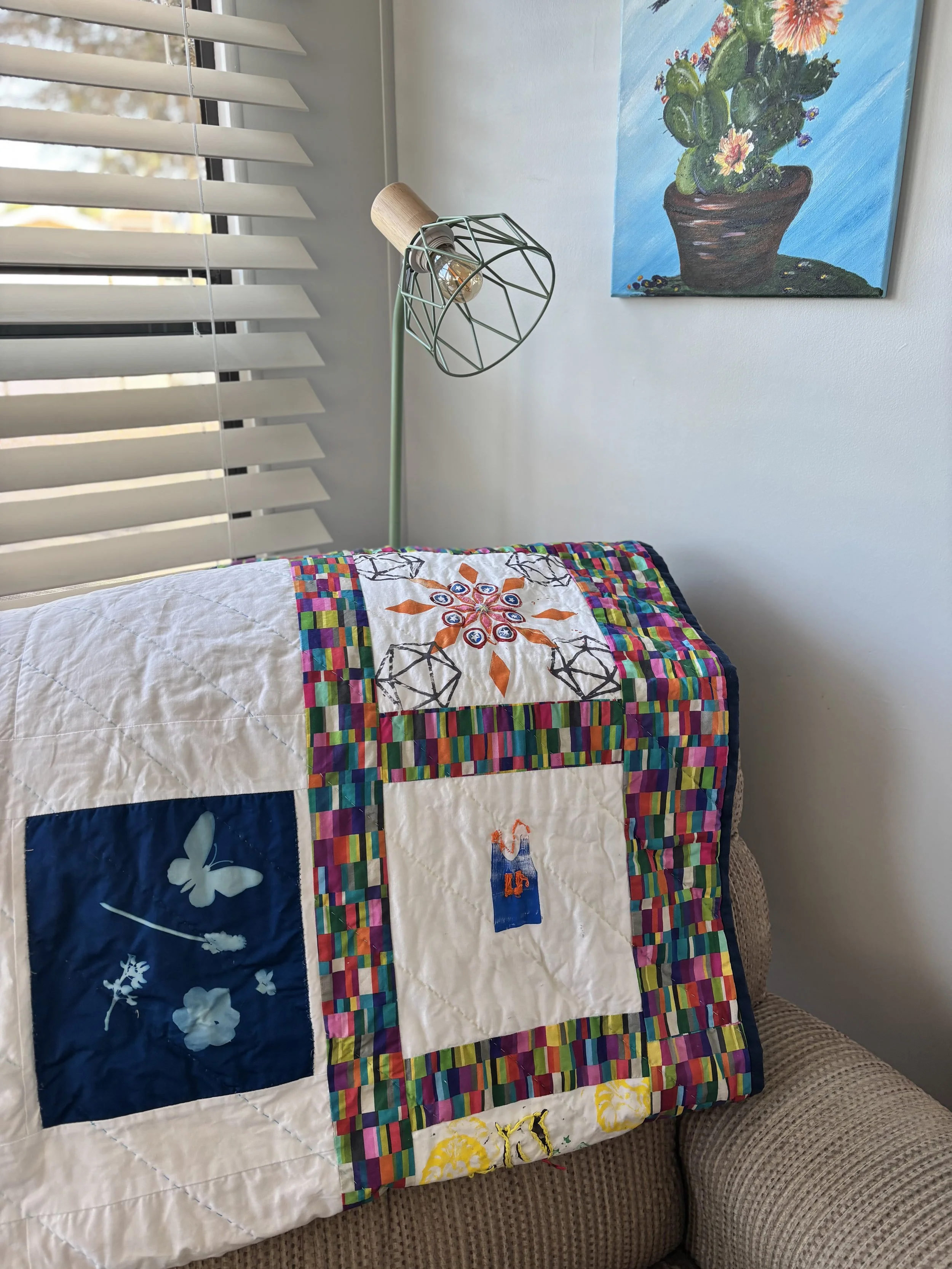
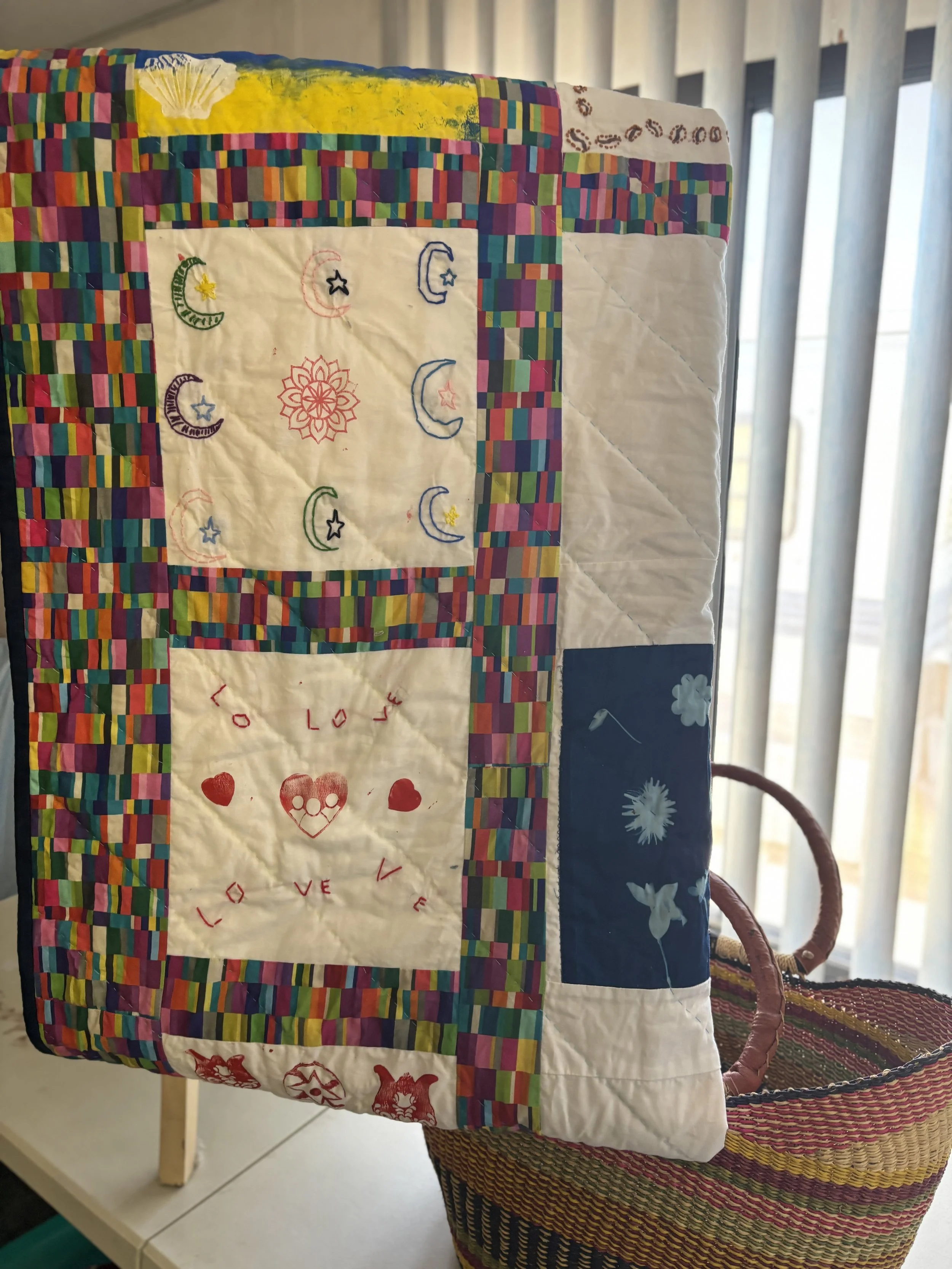
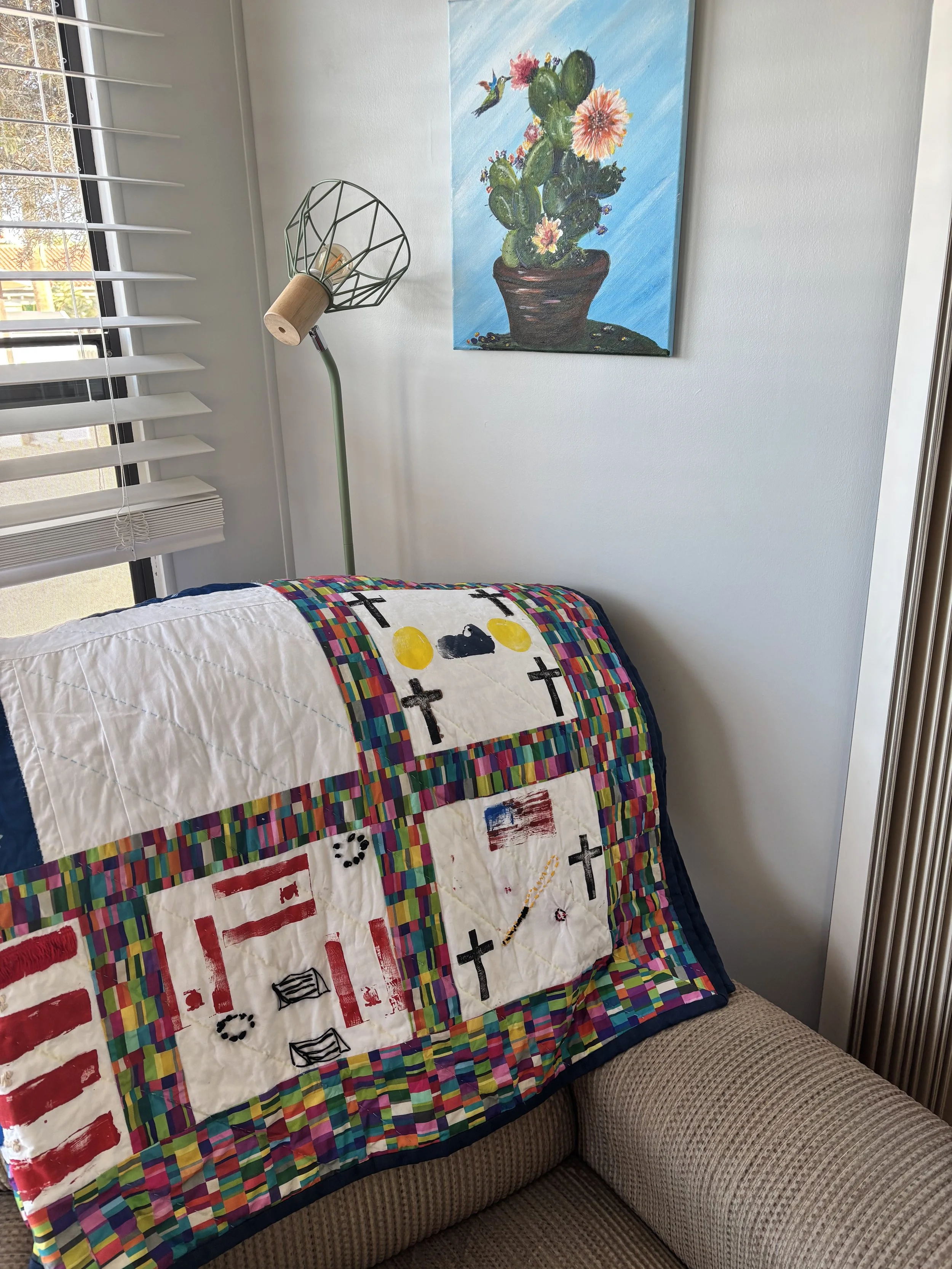
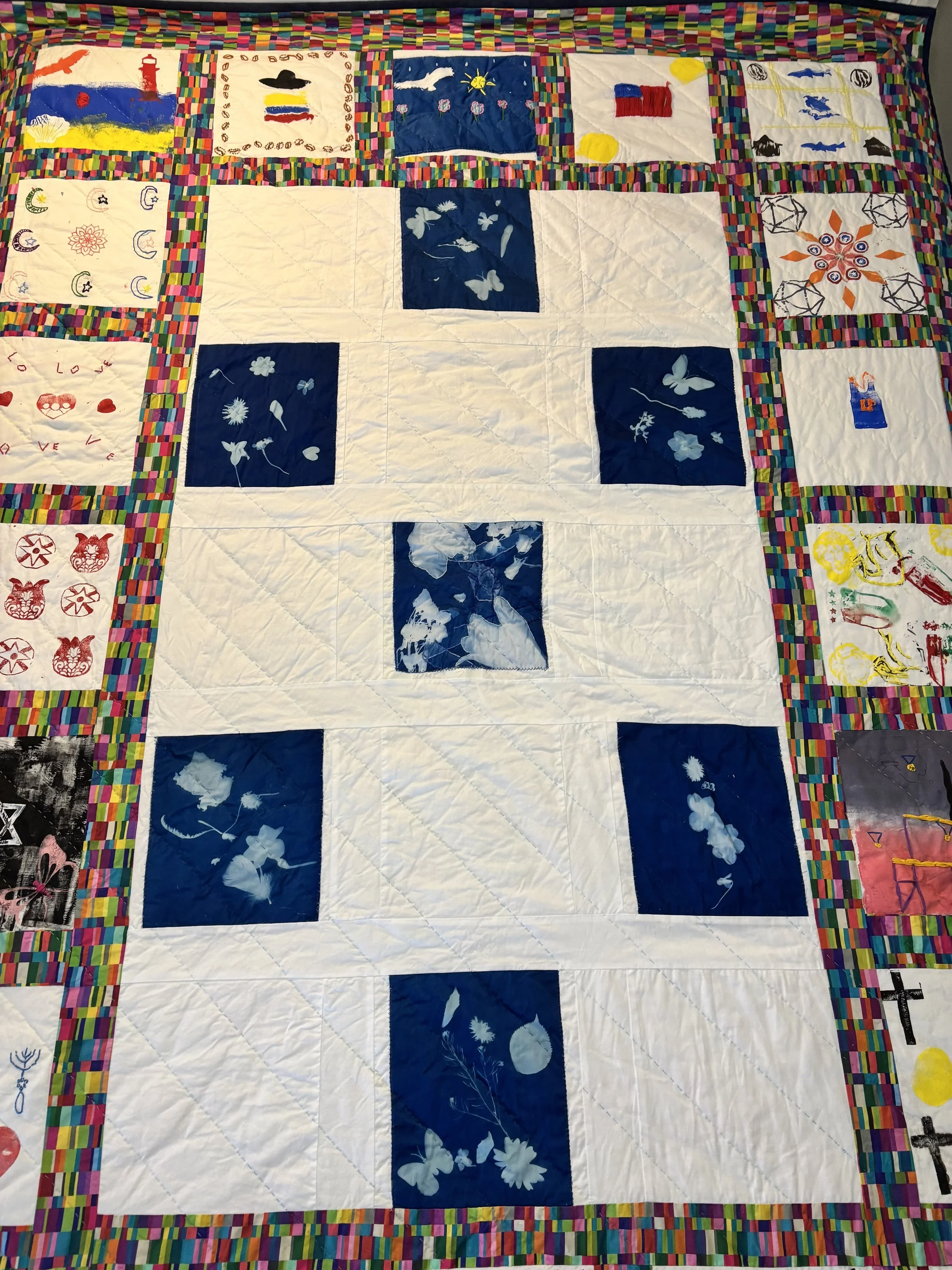
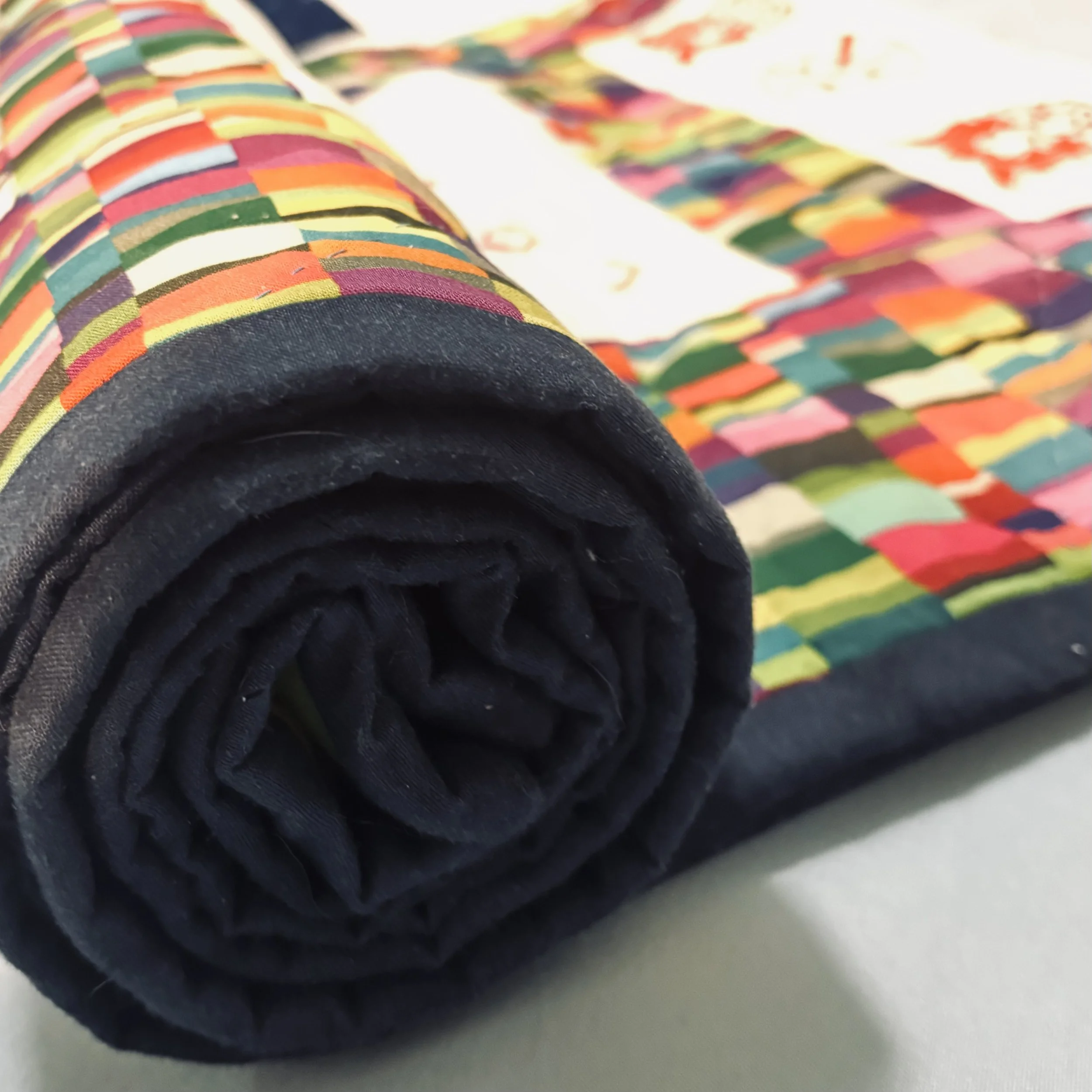
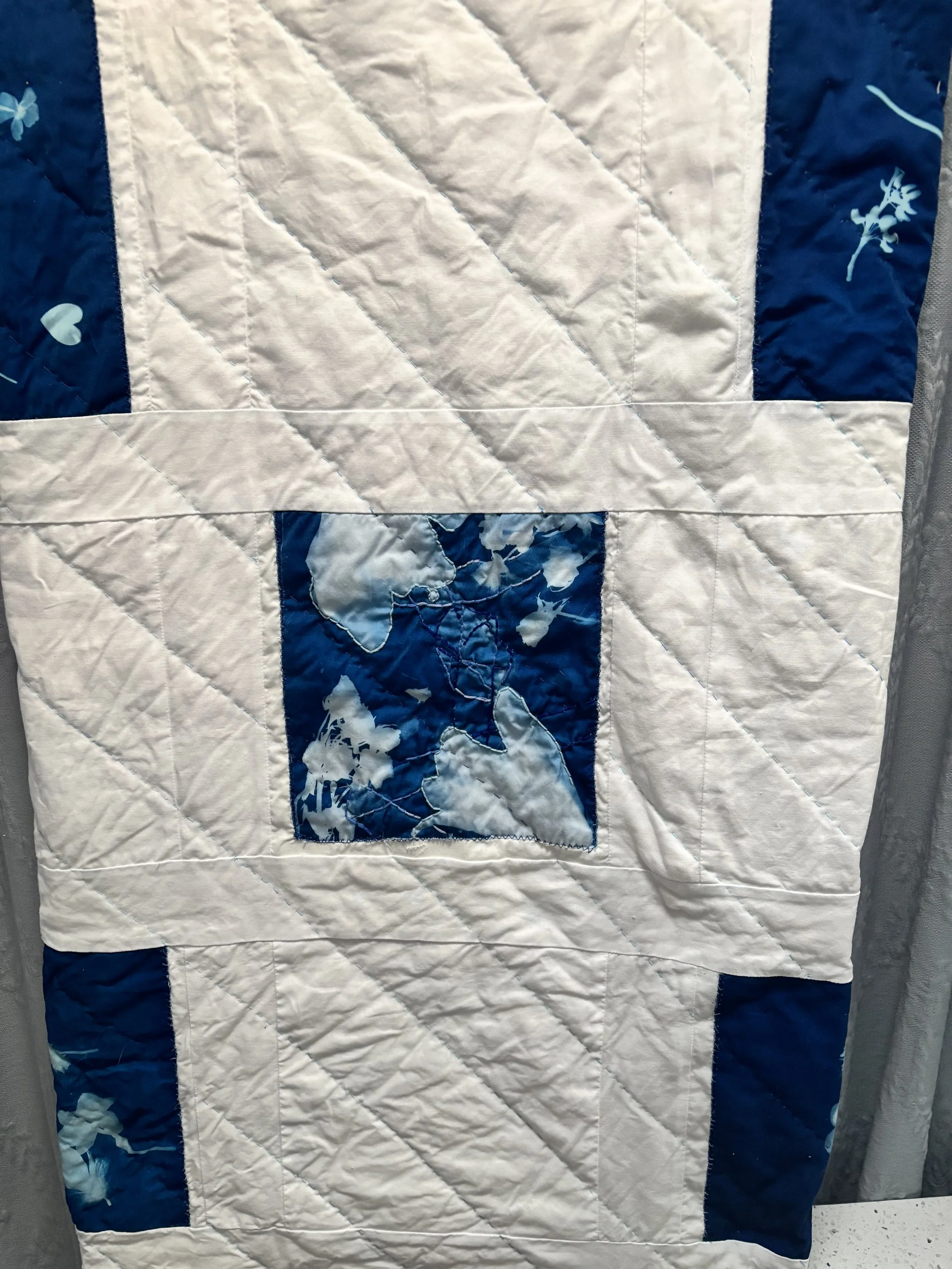
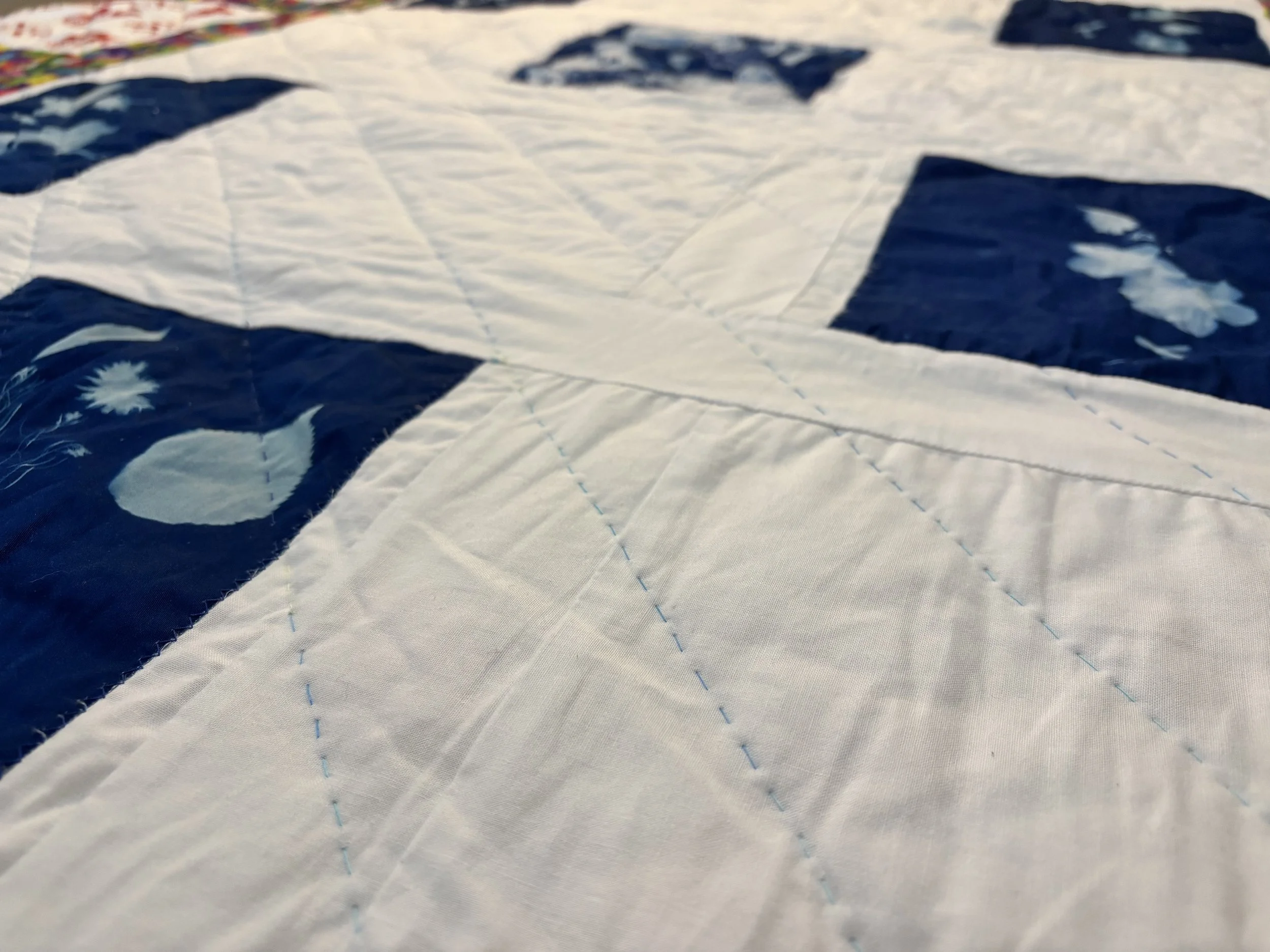
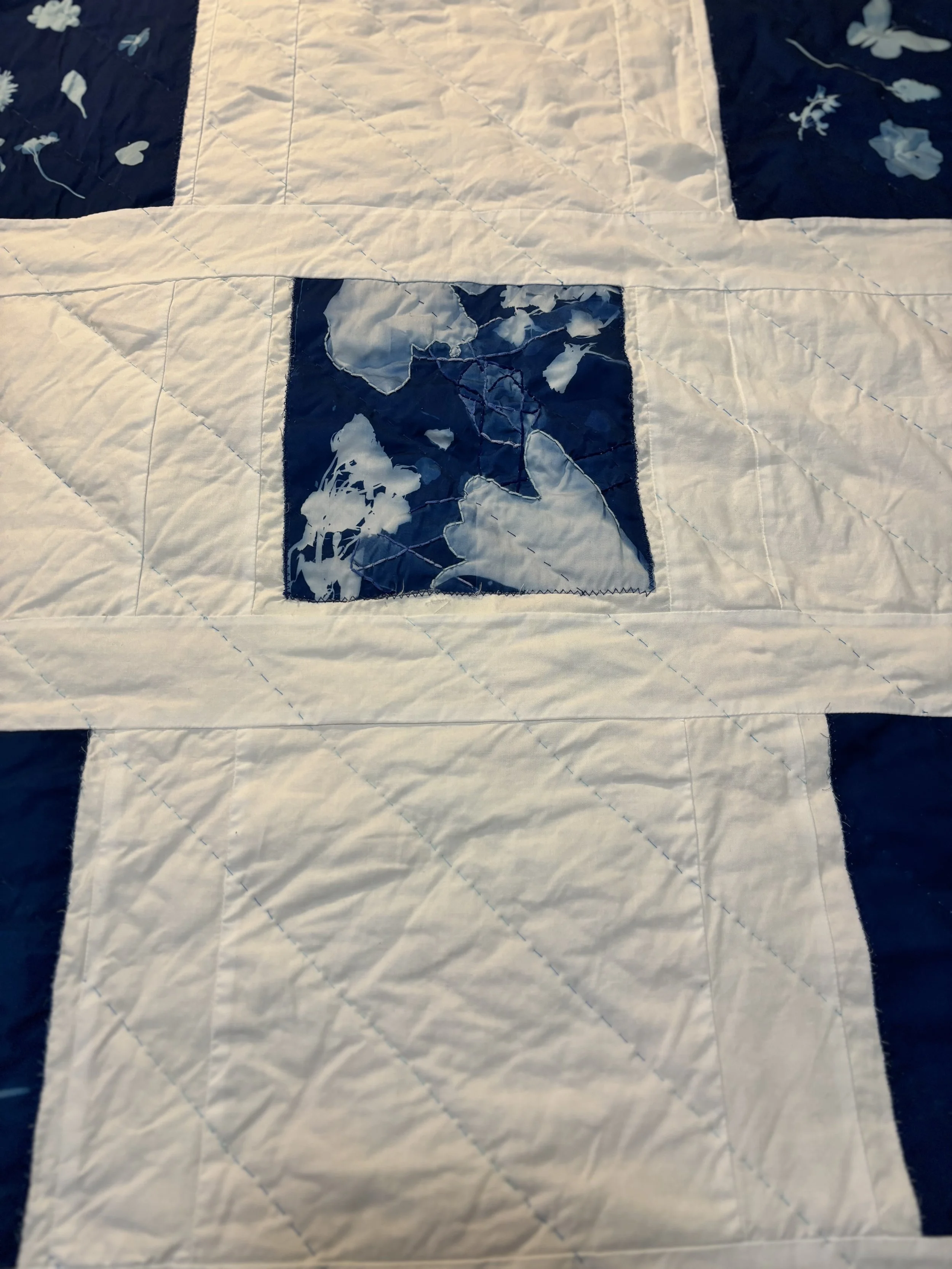
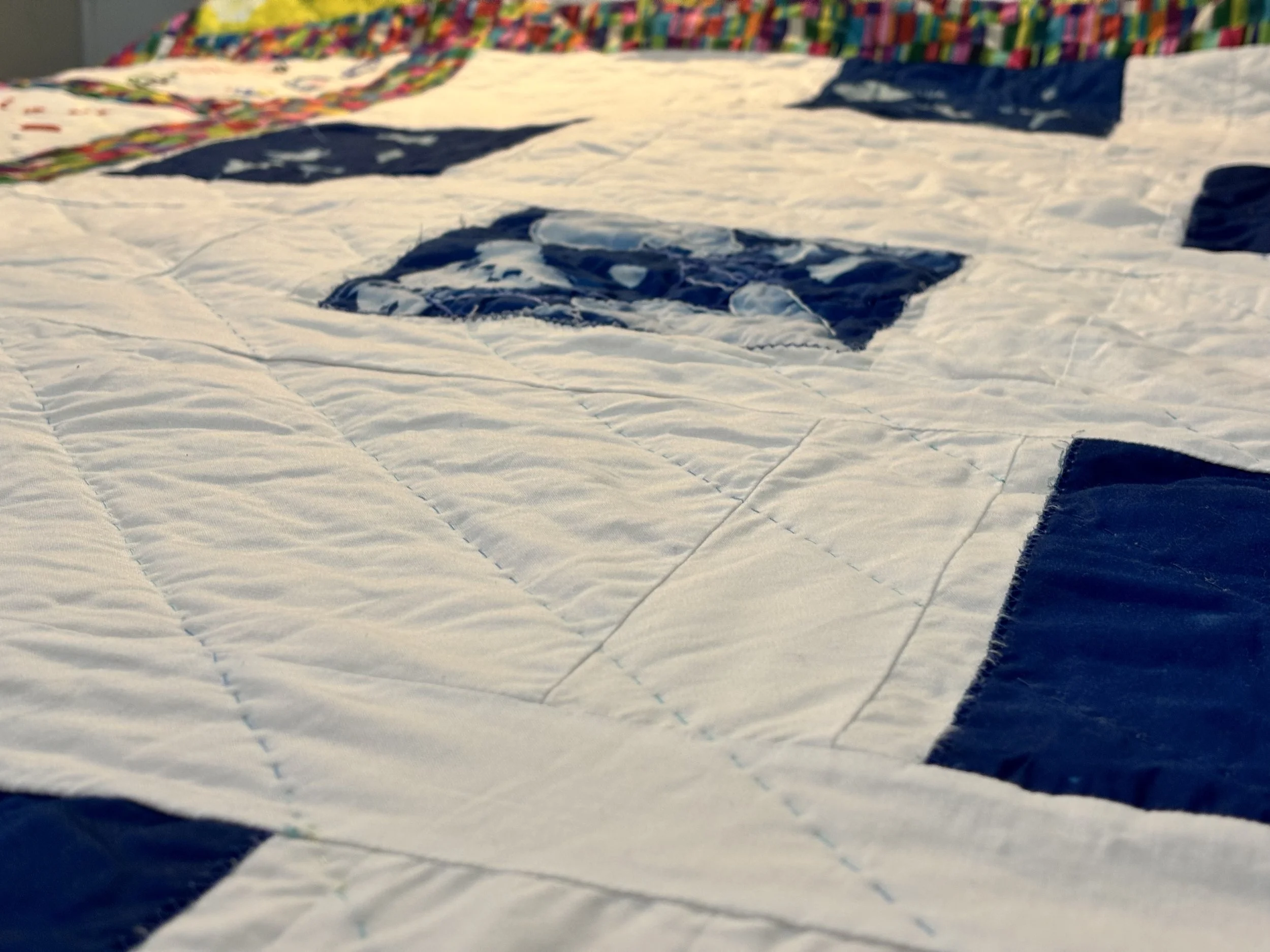
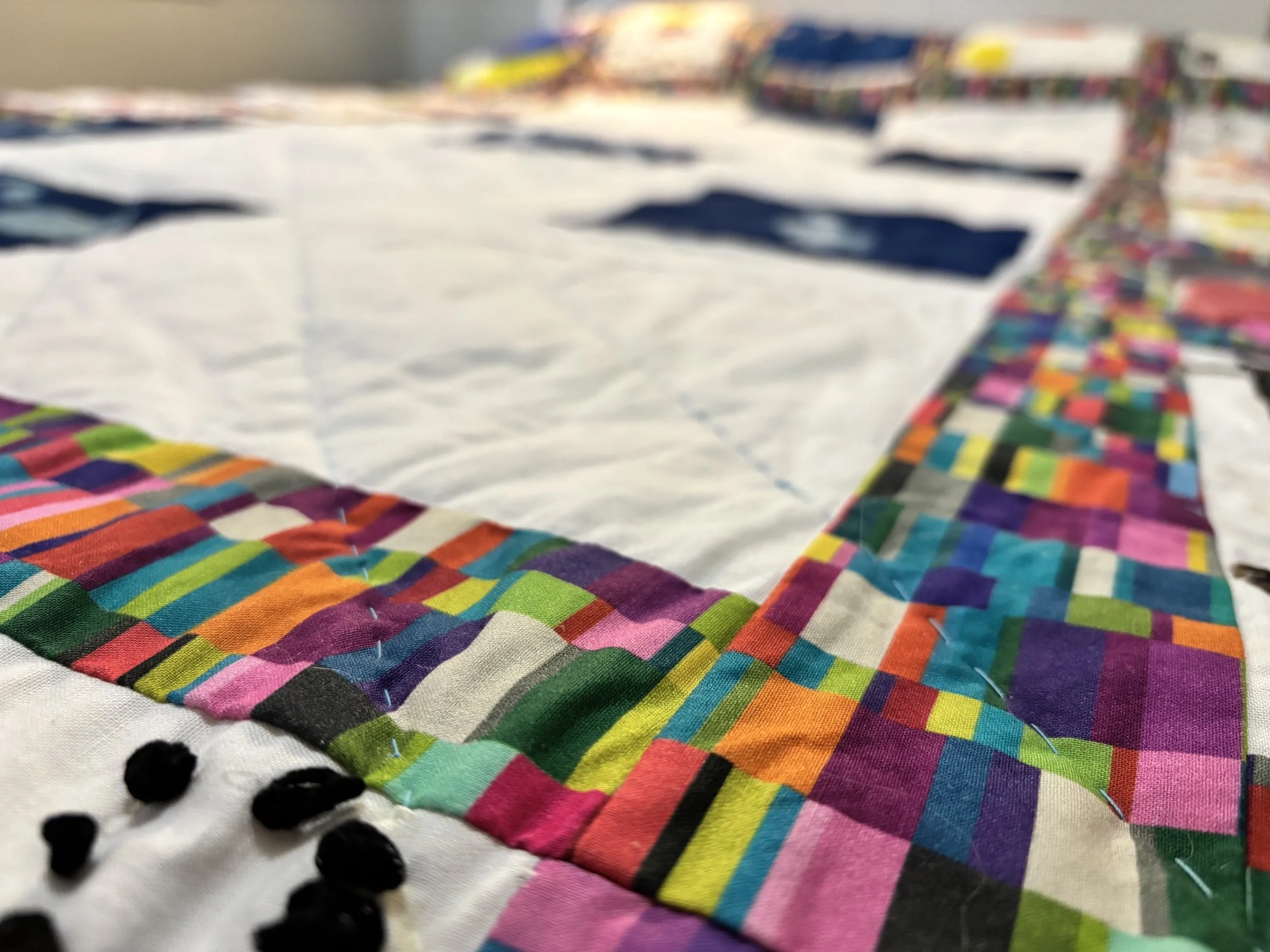
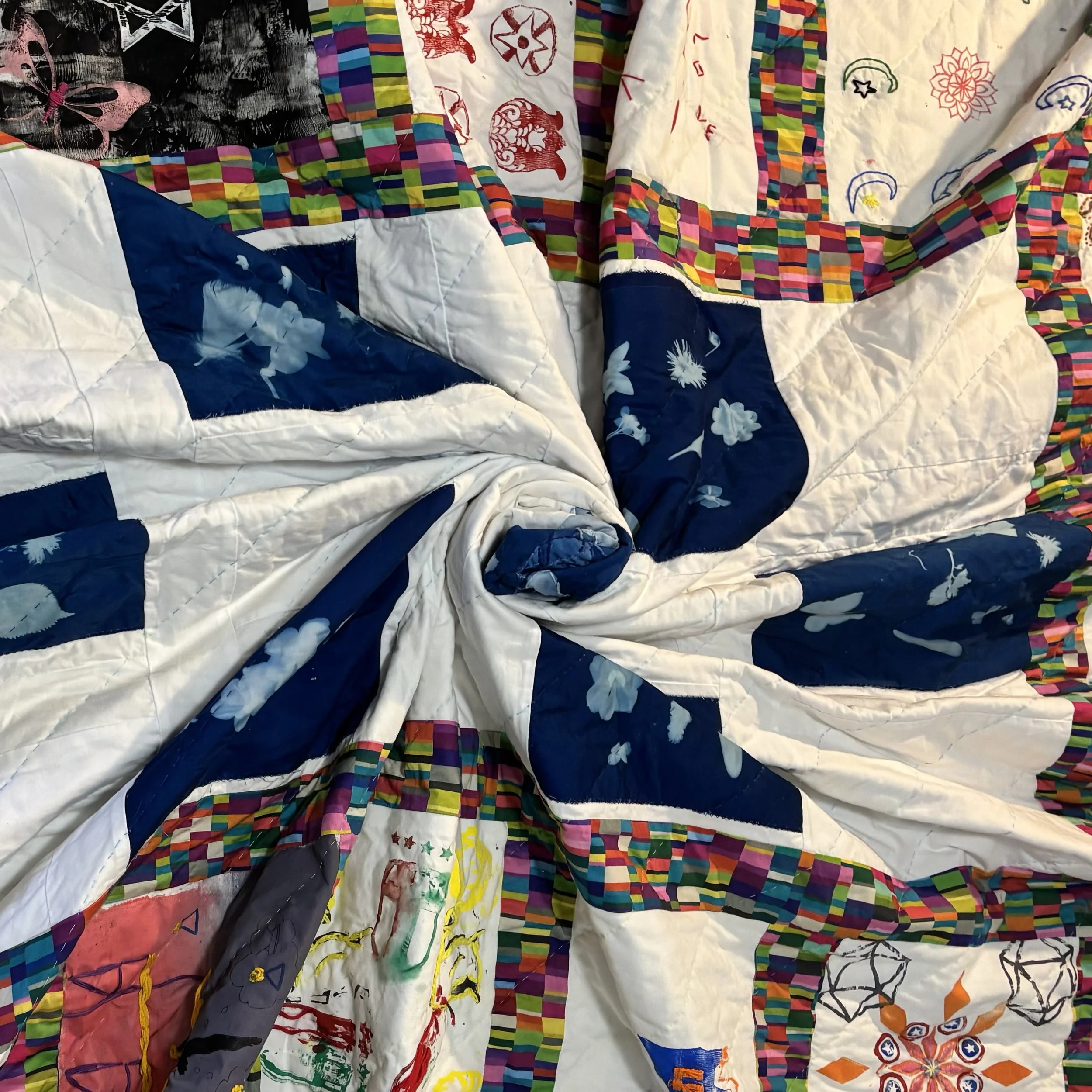
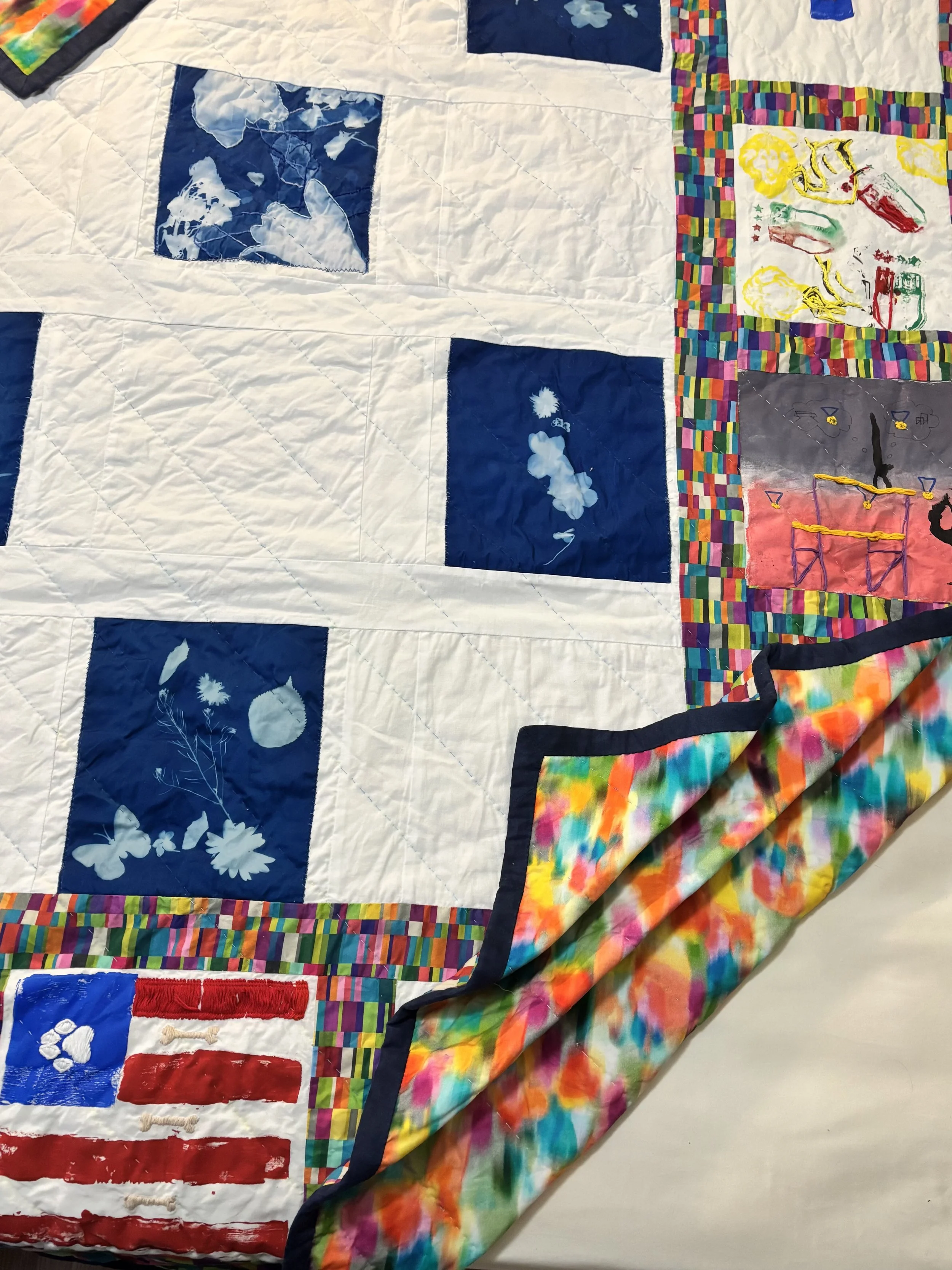
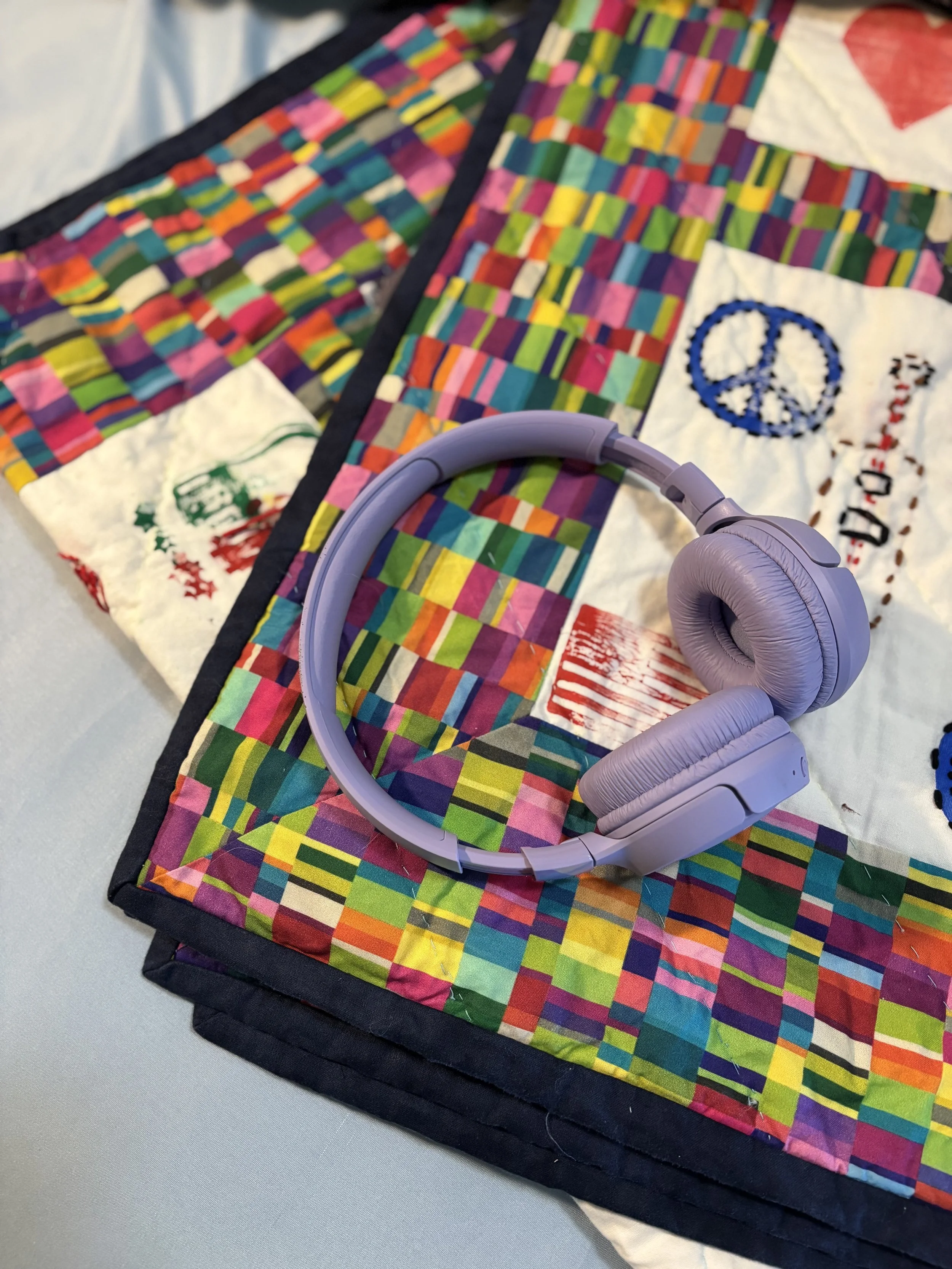
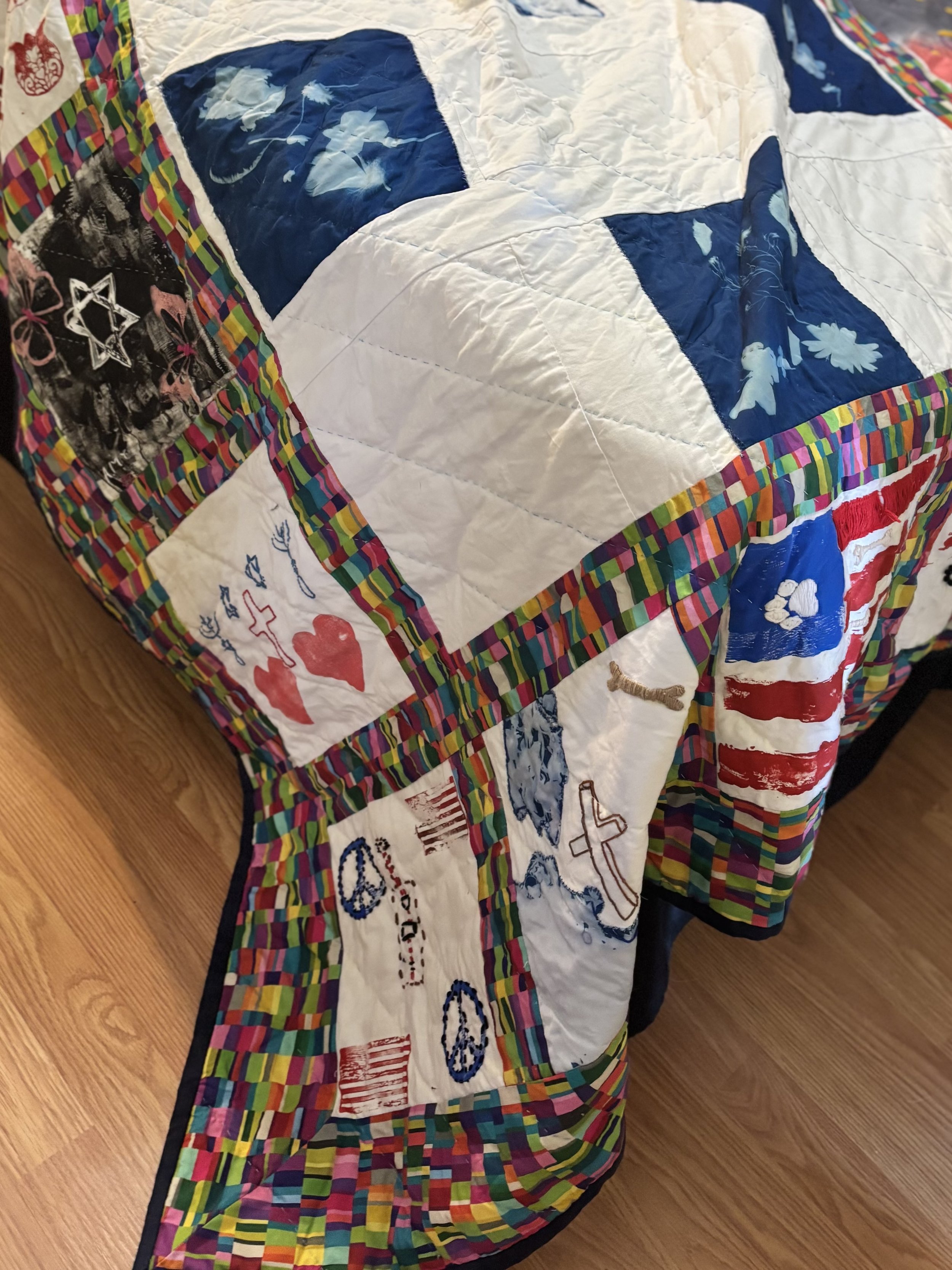
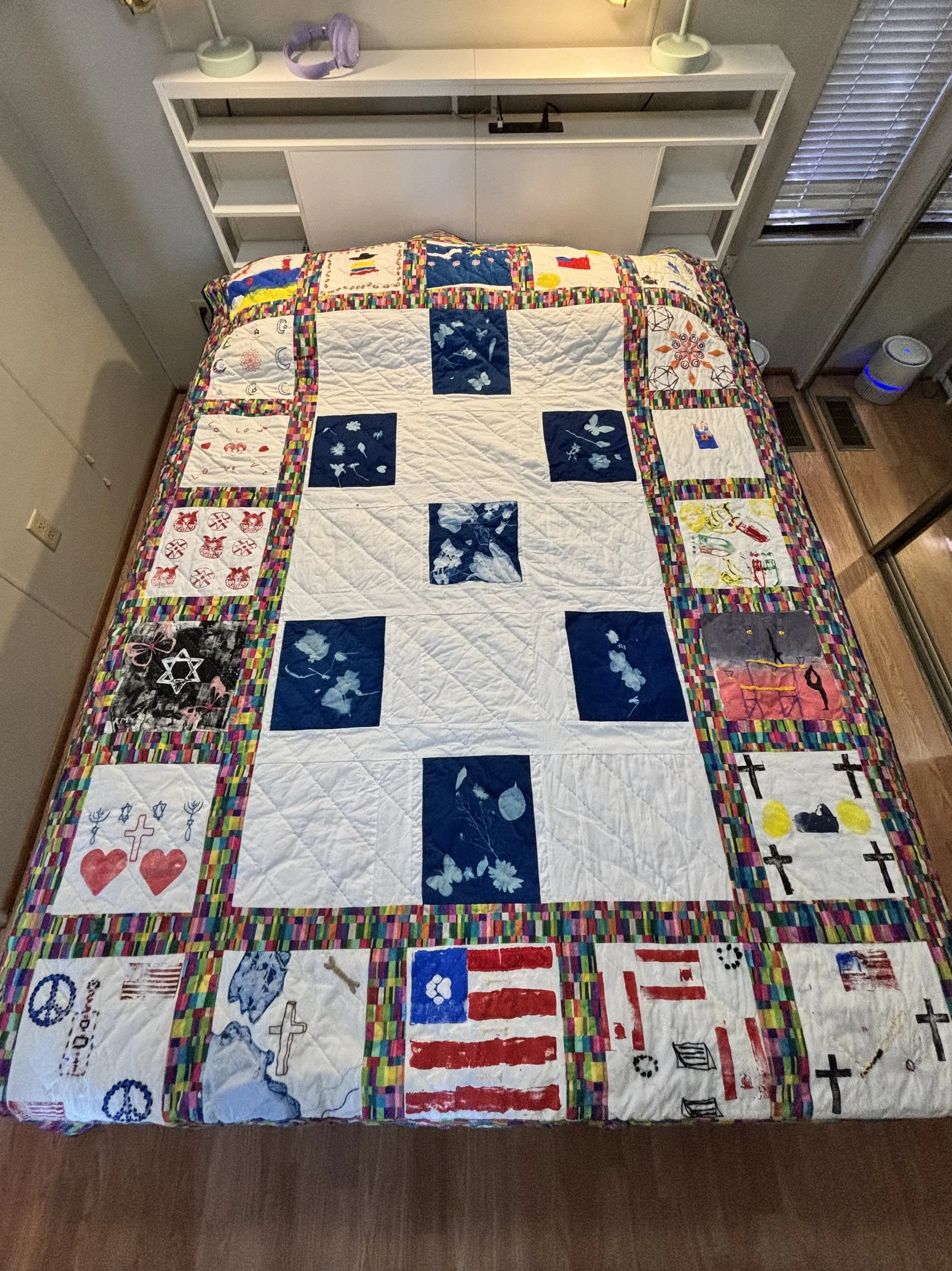
As a quilter, I continue an art form passed down through my maternal lineage—one that tells stories through fabric, thread, and pattern. Quilting is more than a technical practice for me; it is an emotional and meditative journey where color, texture, and repetition speak with quiet clarity. I was honored to be asked to help assemble the Whitby Class of 2028 Identity Quilt, and I found inspiration in the students’ use of indigo fabrics. Their work led me to incorporate sashiko-style stitching, a hand-sewn technique rooted in rhythm, intention, and care.

The visible stitches echo the students’ individual marks while also creating a unifying structure across the quilt’s surface. Sashiko invites slowness and attention—each stitch a small act of presence—allowing the quilt to hold both individuality and connection at once. I am continually inspired by the beauty of everyday life: the balance between tradition and innovation, the meeting of human hands and thoughtful design, and the stories embedded in what we make together. This quilt is an invitation to pause, to notice the details the students created, and to experience the warmth, memory, and sense of belonging that a quilt can offer.

Citrus Solstice

Thin circles,
translucent and glowing like stained glass
as the winter sun lights them up.

They mirror the sun in winter:
still round as a journey of introspection,
still holding the memory of heat.

Each slice is a quiet echo—
a sun pressed into fruit,
a fruit remembering light.