Beyond Fresh Air: Recess As Nervous System Reset

When people talk about kids having “less time outside,” it often gets framed as a simple lifestyle issue—children just need more fresh air. But from an ecopsychology perspective, the concern runs deeper. It’s not only about time outdoors; it’s about what happens when the structure of a child’s day removes regular contact with the natural world—and the psychological regulation that contact supports.

Modern elementary schedules are increasingly dominated by long stretches of seated, cognitively demanding work, with limited breaks in between. When recess is shortened or treated as optional, those demands stack up. What’s missing isn’t just a break—it’s a shift in environment. Ecopsychology suggests that natural settings play a unique role in restoring attention, reducing stress, and supporting emotional balance in ways built environments often do not.

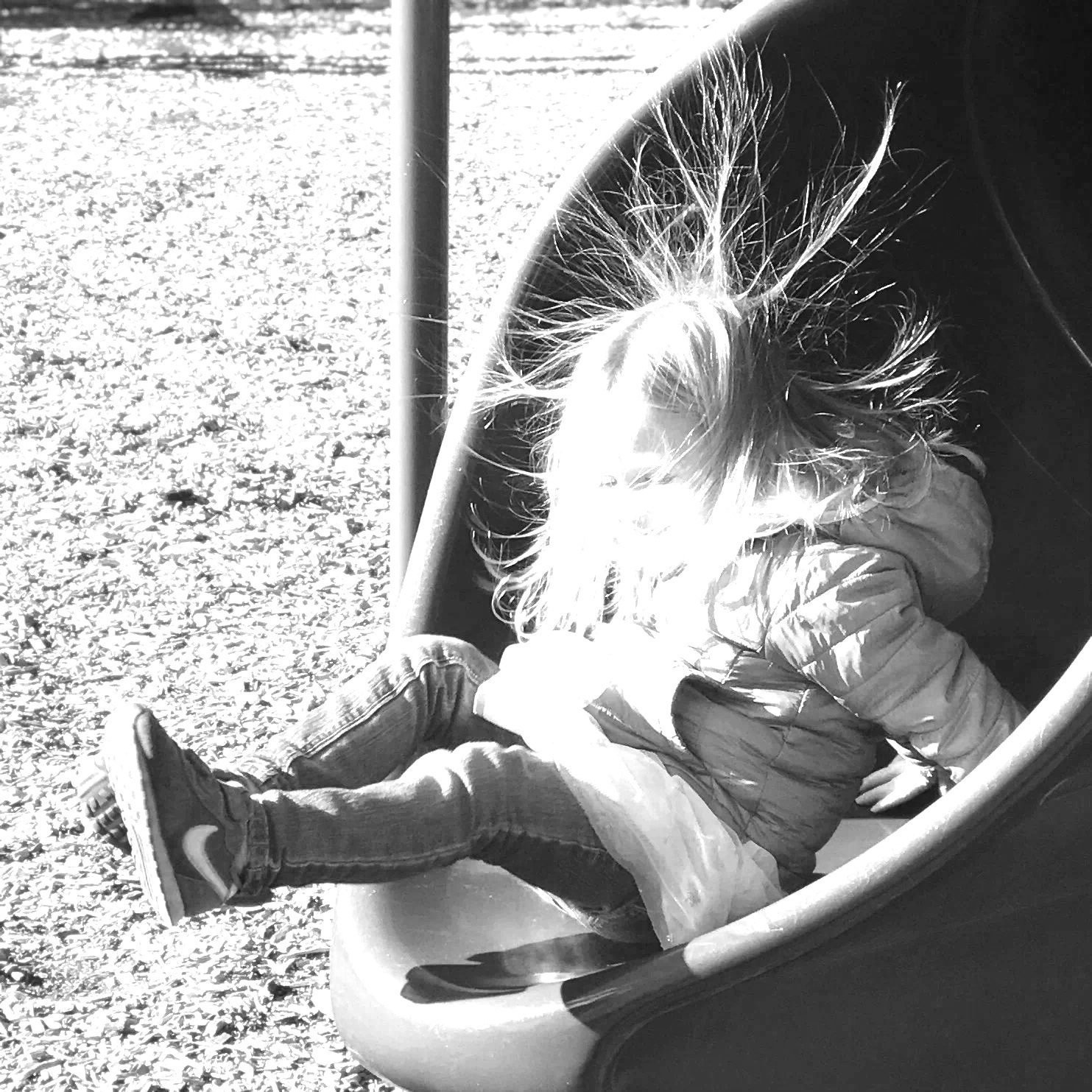
Outdoor free play has historically functioned as a kind of regulatory reset. It offers sensory variation, open-ended movement, and unstructured social interaction. Children can make decisions without constant adult oversight, engage their bodies fully, and experience a different pace. These moments help recalibrate the nervous system. Without them, the school day becomes a continuous loop of focus, compliance, and performance.

Research in both education and environmental psychology points to the same conclusion: unstructured outdoor time supports the development of resilience and self-regulation. Children aren’t just releasing energy—they’re learning how to manage stress, recover from frustration, and return to tasks with renewed capacity. Natural environments, in particular, seem to amplify these effects by lowering cognitive fatigue and promoting a sense of calm.

When that buffer is reduced, the strain doesn’t disappear—it follows children back into the classroom. It can surface as irritability, difficulty concentrating, or increased anxiety.

Today, many U.S. elementary schools provide about 15–30 minutes of recess per day, often in a single block. Decades ago, children typically experienced more frequent outdoor breaks, even within shorter school days.

From an ecopsychological lens, this shift matters. It’s not just less time outside—it’s fewer opportunities for the mind and body to reset through contact with nature. Over time, that absence may contribute to a quiet buildup of emotional overload within the structure of the school day itself.
Meditatio

In Latin, “meditatio” is a noun that translates to “contemplation.” Research has not definitely pinpointed where in the world humans first started practicing intentional meditation as part of a culture’s spiritual traditions, but we have some evidence from India and China going back thousands of years. Many religions have an introspective ritual that encourages practitioners to reflect in silence to gain perspective on challenges in life. Secular practices encourage stillness and a focus on one’s breath.

The Beatles studied transcendental meditation in the 1960s. Jon Kabat-Zinn linked meditation to mindfulness for adults starting in the 1970s. I started practicing meditation in the 1980s and became a certified meditation teacher in 2019.

In today’s world, we have a variety of meditation techniques from which to choose; science has investigated the many health benefits of meditation across a range of physical and mental conditions. I encourage you to explore what works well for you.

Cracking the Geode

868px-Amethyst_geode_-_Chapel_Corridor%2C_Chatsworth_House_-_Derbyshire%2C_England_-_DSC03014.jpg

Recently, a client thanked me at the end of our session for following her many threads of thought during our conversation. My training as a coach allows me to hold space for many ideas while a client explores various possibilities. She likened my coaching as walking around a very large rock. Together, we explored a metaphor of her seeing the large rock as an obstacle in her way and her search for a path over or around it; and me seeing her obstacle as a geode and finding a crack to break it open to reveal a beautiful sparkly interior.

As we concluded her session, I was flooded with a childhood memory of my grandfather’s large amethyst geode. Growing up in Ontario, Canada, I was lucky to see many amethyst geodes and other cool crystals at local fairs and artisan studios. Amethyst is the official gemstone of the province. Many cultures regard amethyst as a stone of peace and believe that wearing amethyst calms and soothes us. One of my favorite necklace charms is a simple goddess shape inset with an amethyst and was gifted to me by a friend for my college graduation.

I started my virtual coaching practice as a way to help others lean into opportunity. By actively supporting you, using applied positive psychology techniques, I help you peek inside yourself and unlock the power of your shiny potential. I don’t judge and I don’t give advice. I follow your lead and together we create a way forward for you to create the life that you want.

Where do you want to be? What’s getting in your way? How can I help you reveal your best self?