When people talk about kids having “less time outside,” it often gets framed as a simple lifestyle issue—children just need more fresh air. But from an ecopsychology perspective, the concern runs deeper. It’s not only about time outdoors; it’s about what happens when the structure of a child’s day removes regular contact with the natural world—and the psychological regulation that contact supports.
Modern elementary schedules are increasingly dominated by long stretches of seated, cognitively demanding work, with limited breaks in between. When recess is shortened or treated as optional, those demands stack up. What’s missing isn’t just a break—it’s a shift in environment. Ecopsychology suggests that natural settings play a unique role in restoring attention, reducing stress, and supporting emotional balance in ways built environments often do not.
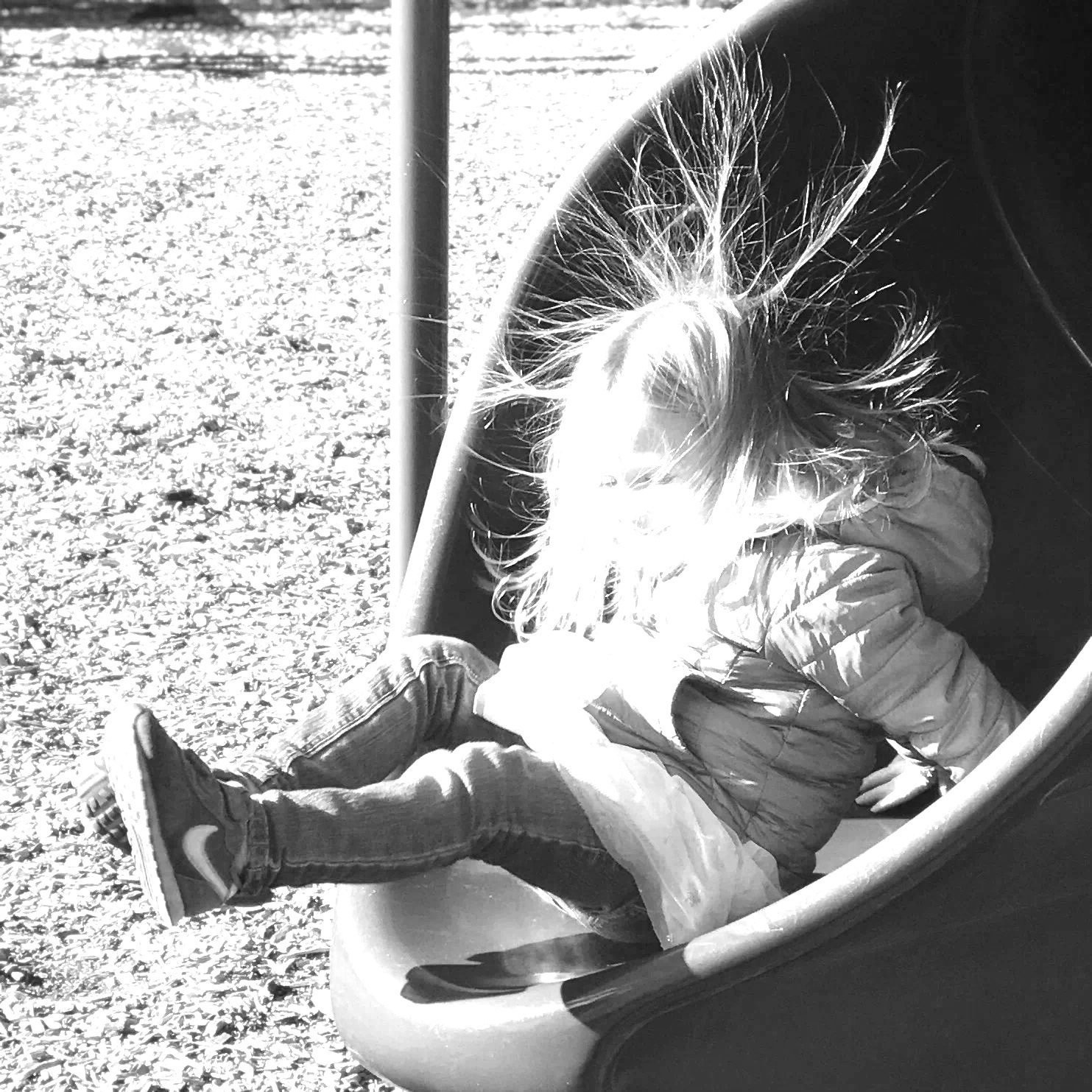
Outdoor free play has historically functioned as a kind of regulatory reset. It offers sensory variation, open-ended movement, and unstructured social interaction. Children can make decisions without constant adult oversight, engage their bodies fully, and experience a different pace. These moments help recalibrate the nervous system. Without them, the school day becomes a continuous loop of focus, compliance, and performance.
Research in both education and environmental psychology points to the same conclusion: unstructured outdoor time supports the development of resilience and self-regulation. Children aren’t just releasing energy—they’re learning how to manage stress, recover from frustration, and return to tasks with renewed capacity. Natural environments, in particular, seem to amplify these effects by lowering cognitive fatigue and promoting a sense of calm.
When that buffer is reduced, the strain doesn’t disappear—it follows children back into the classroom. It can surface as irritability, difficulty concentrating, or increased anxiety.
Today, many U.S. elementary schools provide about 15–30 minutes of recess per day, often in a single block. Decades ago, children typically experienced more frequent outdoor breaks, even within shorter school days.
From an ecopsychological lens, this shift matters. It’s not just less time outside—it’s fewer opportunities for the mind and body to reset through contact with nature. Over time, that absence may contribute to a quiet buildup of emotional overload within the structure of the school day itself.












Quisque iaculis facilisis lacinia. Mauris euismod pellentesque tellus sit amet mollis.