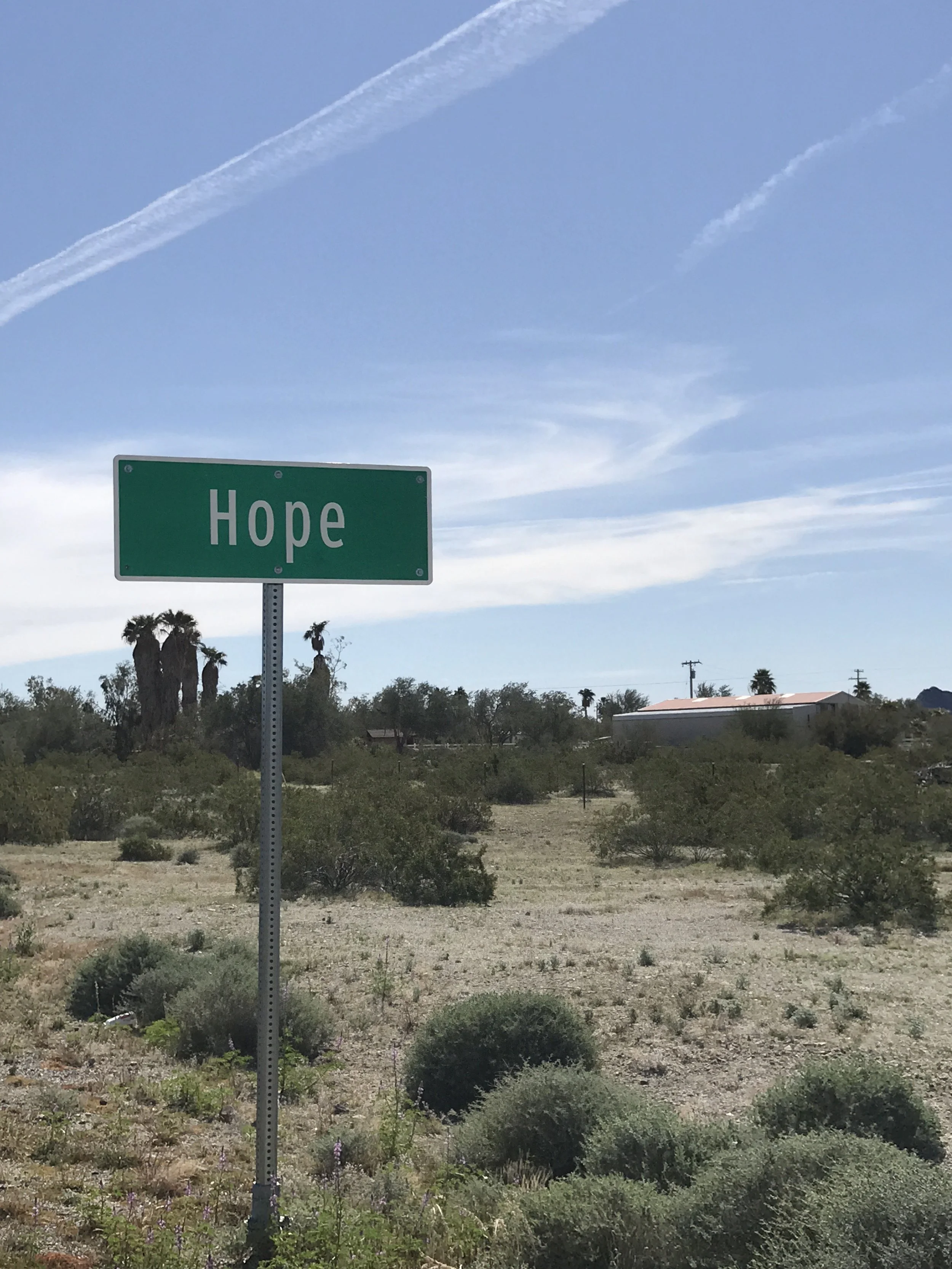
In March 2026, Arizona feels more like June. Triple-digit temperatures arrived weeks ahead of schedule, compressing spring into a brief suggestion rather than a lived season. While meteorologists track the data, another question lingers beneath the surface: what does an early heatwave do to the human psyche—especially in a place already defined by extremes?
Ecopsychology invites us to consider the relationship between environmental shifts and mental life. When the seasons fall out of rhythm, so do we. Spring is culturally coded as a time of renewal, but when it’s replaced by oppressive heat, there’s a subtle dissonance. People report irritability, fatigue, even a sense of temporal confusion—as if the calendar itself has become unreliable.
In Arizona, where adaptation to heat is already part of daily life, this premature intensity may deepen a kind of ecological grief. Not always dramatic, not always named—but present. The loss isn’t just about comfort; it’s about predictability, about the quiet contract between humans and their environment. When March behaves like midsummer, that contract feels strained.
There’s also a social dimension: public spaces empty earlier, and outdoor rituals—morning walks, spring festivals, casual gatherings—shrink or disappear. Heat doesn’t just raise temperatures; it reshapes behavior and, over time, identity.
That shift is amplified by the early departure of the “snowbirds,” seasonal residents who would normally linger into spring. When a heatwave pushes them out weeks ahead of schedule, communities thin abruptly, and neighborhoods lose their seasonal rhythm almost overnight. What looks like a logistical change carries a psychological weight, reinforcing a sense of sudden, unsettled transition.
The economic ripple follows close behind. Local businesses—cafés, golf courses, small retailers—rely on that extended spring window, and when visitors leave early, revenue dips, staff hours shrink, and the social energy sustaining these spaces fades more quickly than expected. Economic contraction feeds anxiety, uncertainty, and a quiet erosion of place-based identity.
The March heatwave may pass, but its psychological imprint lingers. If ecopsychology teaches anything, it’s that climate is not just an external condition—it’s internalized, woven into mood, memory, and meaning. When the desert burns early, something in us shifts too—and it’s worth asking exactly what.